Cheap RDP Server: How to Choose an Affordable and Reliable RDP
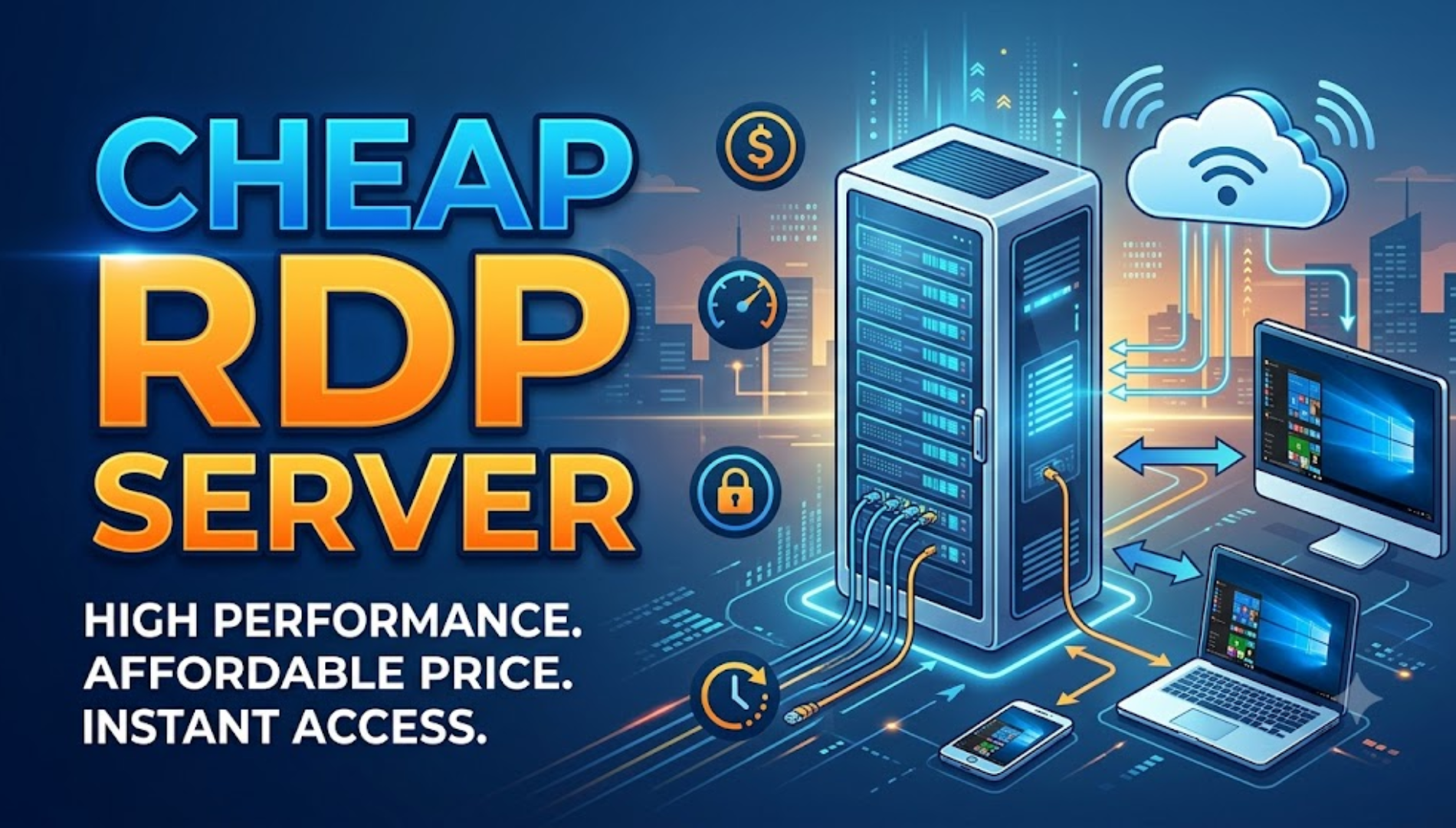
Remote Desktop Protocol (RDP) has become an important solution for businesses, developers, freelancers, IT professionals, and remote workers who need secure access to Windows-based systems from different locations. A cheap RDP server can provide remote access without requiring businesses or individuals to invest heavily in physical computers or expensive infrastructure.
However, choosing the cheapest option is not always the best decision. Performance, security, uptime, server location, technical support, and scalability are equally important. This guide explains how to choose an affordable and reliable RDP server for your requirements.
What Is an RDP Server?
RDP, or Remote Desktop Protocol, is a Microsoft-developed technology that allows users to connect to and control a remote Windows computer through an internet connection.
Once connected, users can access applications, files, desktop environments, and other resources available on the remote server. An RDP server can be useful for remote employees, software testing, web development, business applications, and other legitimate remote computing requirements.
Unlike a traditional personal computer, an RDP server can be accessed from different locations and devices, making it convenient for people who work remotely or need access to a dedicated Windows environment.
Why Choose a Cheap RDP Server?
The main advantage of affordable RDP hosting is cost efficiency. Instead of purchasing and maintaining a separate high-performance computer, users can rent server resources based on their requirements.
A cheap RDP server can be suitable for:
- Remote office work
- Business applications
- Software development
- Website management
- Testing environments
- Remote administration
- Cloud-based Windows applications
- Basic productivity tasks
For startups and small businesses, an affordable server can help control IT expenses while still providing access to remote computing resources.
Important Features of a Reliable Cheap RDP Server
When comparing RDP providers, don't focus only on the monthly price. Check the complete package and determine whether the server provides enough resources for your workload.
1. Processor Performance
The CPU determines how efficiently applications and processes run on the server. Basic office work may require fewer CPU resources, while development, databases, and resource-intensive applications may require a stronger processor.
Choose a CPU configuration based on the number of users and applications you plan to run.
2. RAM
RAM has a major impact on multitasking and application performance. A server with insufficient memory may become slow when several applications are running simultaneously.
For basic tasks, a modest RAM configuration may be sufficient. Businesses running multiple applications should consider higher RAM allocations.
3. SSD Storage
SSD storage generally provides faster data access than traditional HDD storage. This can improve application loading, boot times, and overall responsiveness.
When choosing an affordable RDP server, check both the storage capacity and storage technology.
4. Server Location
Server location can affect latency and connection speed. Select a data center that is geographically close to your users whenever possible.
For example, businesses serving customers or employees in India may benefit from an RDP server location closer to their primary users. International businesses can select locations based on their workforce and application requirements.
5. Network Speed
A stable network connection is essential for a smooth remote desktop experience. Check the provider's network infrastructure, bandwidth policies, and connection reliability before purchasing a plan.
A low-cost server with an unstable network may result in a poor experience even if the hardware specifications look attractive.
Security Should Not Be Compromised
One of the biggest mistakes when purchasing cheap RDP hosting is ignoring security. RDP services can become targets for unauthorized access attempts if they are poorly configured or inadequately protected.
Users should choose reputable providers and follow basic security practices, including:
- Use strong, unique passwords.
- Enable multi-factor authentication where available.
- Keep Windows and applications updated.
- Restrict access to trusted users and networks.
- Use firewalls and appropriate access controls.
- Disable unnecessary services.
- Monitor login activity.
- Use antivirus and endpoint protection where appropriate.
Businesses should also establish clear access policies for employees and administrators.
Managed vs Unmanaged RDP
Another important consideration is whether you need managed or unmanaged server hosting.
With managed RDP hosting, the provider may assist with server setup, operating system configuration, updates, troubleshooting, and technical support. This can be useful for users who don't have extensive server administration experience.
With unmanaged hosting, the customer generally has greater responsibility for server configuration and maintenance. It may be more affordable and suitable for experienced administrators.
Before choosing a plan, understand exactly what services are included in the provider's support package.
Check Uptime and Reliability
A cheap RDP server should still provide dependable availability. If your server is used for business operations, frequent downtime can affect productivity and potentially cause financial losses.
Look for providers that clearly communicate their uptime commitments and infrastructure details. Also check whether they have backup systems, redundant network connections, and reliable data center infrastructure.
Compare Pricing Carefully
RDP pricing can vary significantly between providers. However, the lowest advertised price may not represent the lowest overall cost.
Before purchasing, check:
- Monthly server price
- Setup fees
- Windows licensing costs
- Backup charges
- Additional IP costs
- Data transfer limitations
- Upgrade pricing
- Renewal rates
- Support availability
A slightly more expensive plan may offer better hardware, support, and reliability, making it more valuable over time.
Scalability Is Important
Your computing requirements may increase as your business grows. Therefore, select an RDP provider that allows you to upgrade CPU, RAM, storage, or bandwidth without moving to an entirely different infrastructure.
Scalable hosting can help businesses avoid unnecessary migration work and downtime.
How to Choose the Right Cheap RDP Provider
Before ordering an RDP server, create a checklist based on your actual requirements. Determine how many users will connect, which applications they will use, how much storage is required, and where the users are located.
Then compare several providers based on:
- Server specifications
- Price and renewal costs
- Data center locations
- Network performance
- Security features
- Uptime
- Technical support
- Upgrade options
- Backup availability
- Customer reviews and reputation
This approach helps you find a balance between affordability and performance.
Final Thoughts
A cheap RDP server can be an effective solution for individuals and businesses that need affordable remote Windows access. However, price should not be the only factor when selecting a provider.
A reliable RDP service should provide suitable CPU and RAM resources, fast storage, stable networking, strong security options, dependable uptime, and responsive technical support. Businesses should also consider server location, scalability, backup options, and long-term pricing.
The best RDP server is not necessarily the cheapest one available. Instead, it is the server that delivers the right combination of price, performance, security, reliability, and support for your specific requirements. By comparing these factors carefully, you can choose an affordable RDP solution that supports your remote work and business operations effectively.
Powered by WHMCompleteSolution